






The Expansive World of Simulation Games: Realistic Digital Escapism
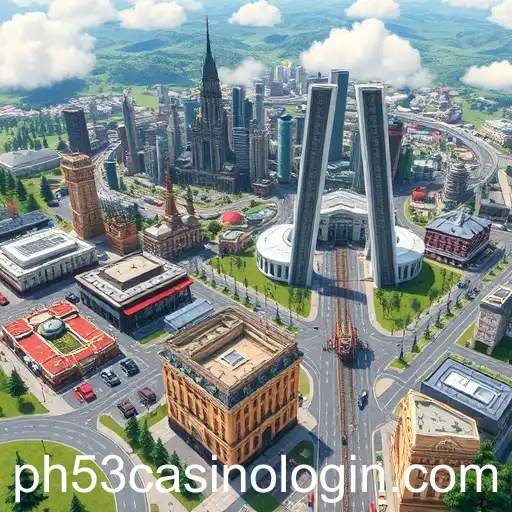
Simulation games have become an incredibly popular genre within the gaming community, providing players with an opportunity to experience various real-world activities and scenarios through an interactive medium. Unlike many other game genres that focus on fast-paced action or intricate fantasy settings, simulation games offer a realistic approach, allowing players to engage in life experiences, ranging from city planning to farming, and even piloting aircraft. One could argue that these games serve as a form of digital escapism, where players can immerse themselves in a world that mirrors reality, but on their own terms.
Simulation games encompass a wide range of sub-genres, each focusing on a specific aspect of life or skill set. One of the most renowned sub-genres is life simulation, which includes games like The Sims. In these games, players create and manage characters, guiding them through careers, relationships, and day-to-day tasks. On the other hand, city-building simulations like SimCity and Cities: Skylines allow players to design and manage complex urban environments, tackling challenges such as traffic congestion, economic policies, and environmental concerns.
Flight simulations offer a blend of technical complexity and awe-inspiring experiences, replicating the intricacies of flying aircraft. From civilian aviation in games like Microsoft Flight Simulator to military operations in games like Ace Combat, the realism can be both a learning tool and a thrilling adventure. Similarly, farming simulations like Stardew Valley and Farming Simulator provide a peaceful yet strategic experience, where players must manage resources, crops, and livestock within the constraints of time and weather patterns.
The accessibility and educational potential of these games cannot be overstated. Simulation games often include elements that simulate real-world physics and decision-making, which can be both entertaining and instructive for players of all ages. This is why many educational institutions have started integrating simulation-based software into their curricula, to teach various subjects ranging from physics to social studies.
Despite their benefits, simulation games are not without criticism. Some argue that the realistic settings and tasks can become monotonous or lack the excitement of other game genres. Additionally, the vast scope of some simulation games can sometimes overwhelm players with complex mechanics and options, discouraging more casual gamers. Nonetheless, the genre’s ability to offer an immersion into systems and experiences that would otherwise be inaccessible continues to draw a passionate player base.
Overall, simulation games provide a uniquely immersive and educational experience that attracts a diverse range of players, from those seeking relaxation in a virtual farm to enthusiasts exploring the complexities of urban management or aeronautics. As technology continues to advance, the future of simulation games looks promising, with potential developments in virtual reality and AI further enhancing their realism and appeal.
Digital Landscapes in Modern Gaming

Exploring the transformation of the gaming industry through the lens of new technologies and the thriving online communities.
2025-12-12
The Rising Influence of Gaming Communities in 2025

Explore how gaming communities, such as those on PH53, are shaping the digital and social landscape in 2025.
2025-12-11
The Rise of Online Gaming in the Digital Era

Exploring the transformation of the gaming landscape amid technological advancements and societal shifts.
2025-12-10
Gaming Trends and Innovations in 2025

Discover the latest trends, innovations, and dynamics shaping the gaming industry in 2025.
2025-12-09

 download apk/ios